


Why a solid design is essential for your brand
The first meeting with your website happens immediately. A professional design signals quality and credibility. A good design contributes to:
- Branding: A consistent visual identity strengthens recognition, regardless of platform.
- User Experience (UX): Intuitive interfaces make navigation easy, which can increase conversions.
- Accessibility: Universal design ensures that all users get an optimal experience.
A structured journey: From idea to finished design
Here is presented a step-by-step process that combines creative and strategic elements:
1. Understanding and needs analysis
Before the design process starts, it is important to define the project's goals:
- Define who the target group is and what their needs are.
- Determine which business goals the design should support, such as increased sales, better user engagement or increased brand recognition.
- Identify which problems the design will solve.
2. Creative concept development
Once the needs are defined, the creative process begins:
- Brainstorming: Collect ideas from the team and consider both innovative and practical concepts.
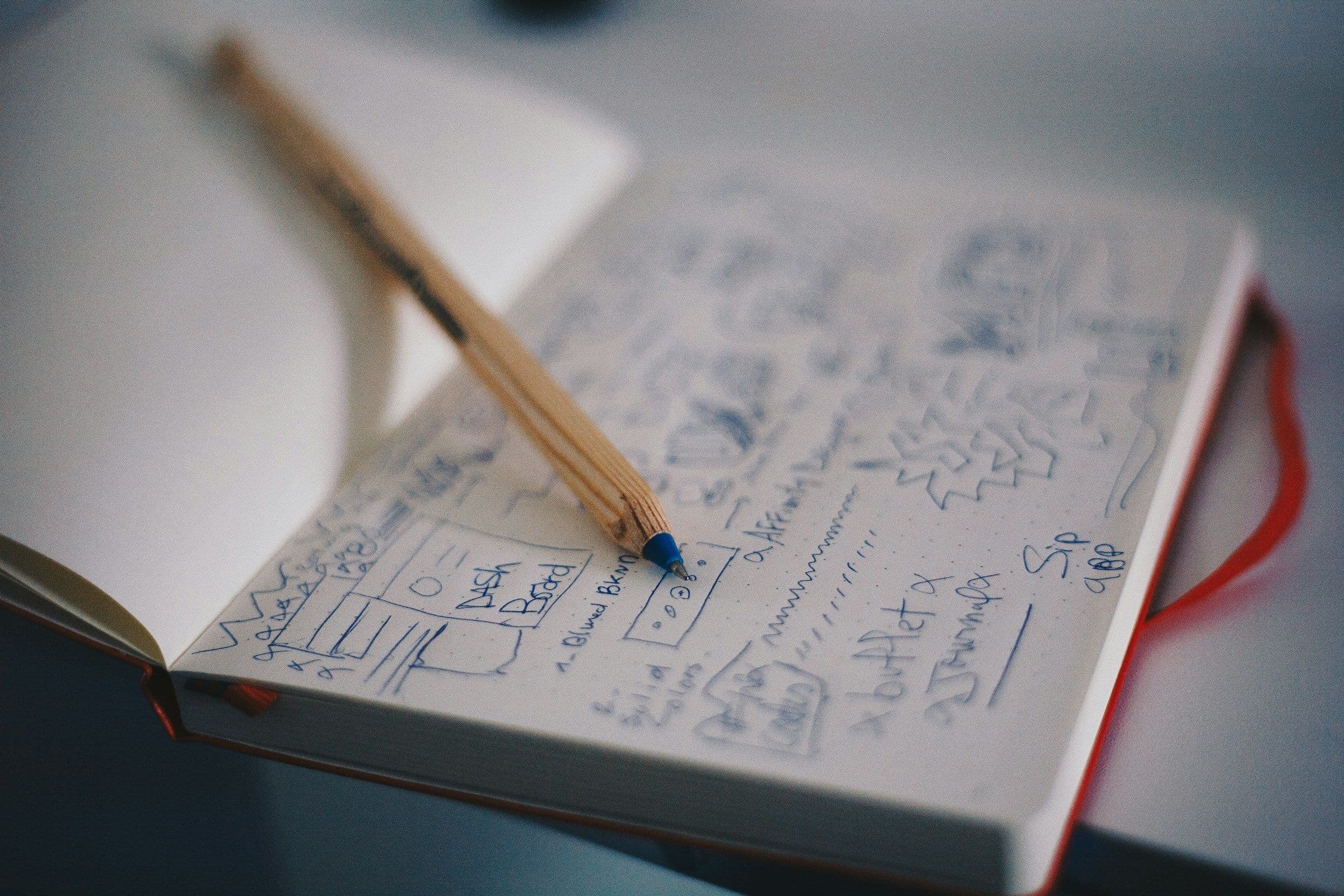
- Moodboards and Sketches: Use visual tools to explore color palettes, typography and styles so you can define the desired feeling the design will convey.
- Clear language: Use easy-to-understand terms so that everyone involved understands the process.
3. Development of a strong visual identity
A clear visual identity is essential for branding:
- Logo and graphic elements: Develop elements that reflect the core values of the business.
- Color palette: Choose colors that support the desired brand experience.
- Typography: Choose fonts that are legible and fit the brand.
4. Wireframing and UX design
UX design is about creating a user-friendly journey:
- Wireframes: Create simple sketches to define the structure of the page before the visual design.
- User journeys: Map how different users navigate through the concept.
- Testing and feedback: Test prototypes with actual users and adjust the design based on their feedback.
5. Transition from wireframe to full UI
In this phase, the visual identity is combined with the UX structure:
- Detailed design: Prepare every page, button and icon with a focus on both function and aesthetics.
- Responsive design: Ensure that the website works optimally on all devices.
- Use of visuals: Integrate images, icons and diagrams that support the message.
6. Testing, prototyping and iteration
Test the design thoroughly before launch:
- Build interactive prototypes to simulate user interactions.
- Perform A/B testing to compare different design versions.
- Iterate the design based on feedback and measurable data.
7. Implementation and establishment of a design system
Document and standardize the design for future use:
- Design system: Create a library of color codes, typographic guidelines, and other design elements to ensure consistency.
- Training: Ensure the team is up-to-date on guidelines and using the design library for all future customizations.
How design can boost your brand and convert new customers
A good design is an investment in your brand. The benefits include:
- Increased brand recognition: A consistent visual identity helps customers remember your brand.
- Improved user experience: An intuitive design reduces user frustration and increases the likelihood of conversion.
- Clear communication: A good design conveys the message and value of the business in an effective way.
Frequently Asked Questions (FAQ)
How long does a typical design process take?
The time varies with the scope of the project:
- Smaller projects: approx. 2-4 weeks
- Medium-sized projects: approx. 1-3 months
- Large projects: 3-6 months
What does a professional design cost?
The cost depends on the complexity of the project, the number of platforms and the extent of research and testing.
How is the effect of a good design measured?
The effect is measured through an increased conversion rate, improved user engagement and increased brand recognition.
How much involvement is required from the customer?
For best results, close cooperation is necessary. Share your vision and business goals, provide access to existing brand resources and actively participate in the feedback rounds.
What does universal design mean?
Universal design is about ensuring that everyone, regardless of functional ability, gets an optimal experience with your design. This includes good color contrasts, custom text size, keyboard navigation and compatibility with screen readers.
Closing
The path from idea to finished design is a journey that combines creativity with strategy. Every step in the process, from needs analysis and concept development to testing and implementation, plays a decisive role in conveying your message and building trust with customers.
Investing in a well-thought-out design is an investment in your brand. It strengthens recognition, improves the user experience and can contribute to increased conversion.
Are you ready to take your idea to the next level with a design that both impresses and converts? Get in touch for a non-binding conversation about how you can realize your vision.


