



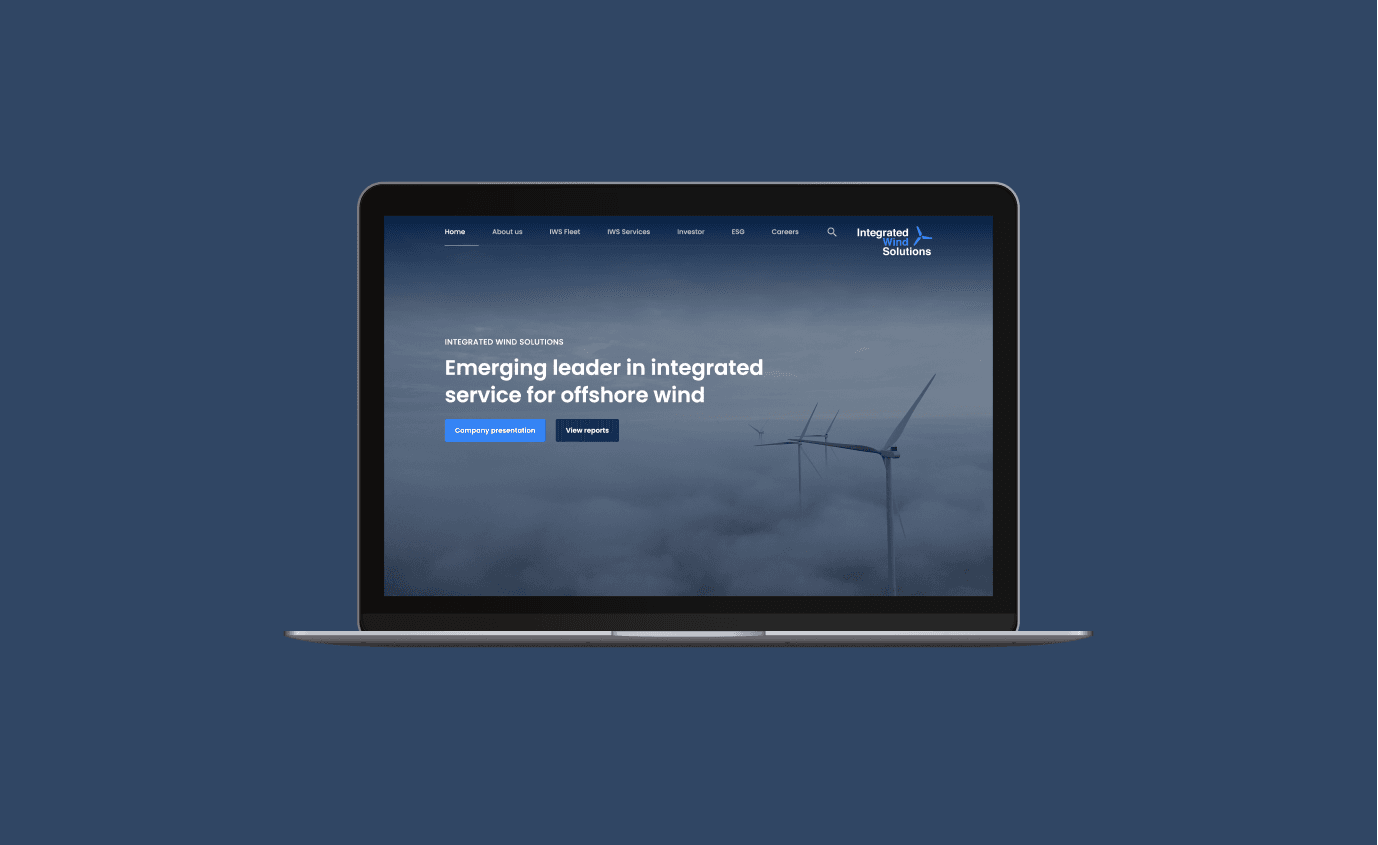

What is a website?
A website is a digital platform that acts as a gateway to information, services and communication over the internet. It can be a simple collection of text, images and links, or a complex and interactive solution with advanced functions.
The main purpose of a website is to convey information, create engagement and facilitate communication between businesses and their target groups.
Web pages can be divided into two main categories: static and dynamic. A static website contains fixed content that is rarely updated, making it easy to maintain and quick to load. Dynamic websites, on the other hand, are more interactive and flexible, as they can update their content based on user behavior or data from databases.
Examples of this are online shops that display the products you are looking for, or news sites that are continuously updated with fresh articles.
In addition to the technology behind a website, there are many different types designed for different purposes. Informative websites, as the name suggests, are designed to share information, whether for businesses, schools or non-profit organisations.
E-commerce platforms are designed to sell products and services and often act as a digital storefront. Portfolio websites help individuals or creative professionals showcase their work, while blogs and content websites focus on publishing articles, stories or guides that engage and inform readers.
Why is a website important for your business?
A website is more than just a digital presence. It is a strategic resource that can give your company a competitive advantage and ensure growth in an increasingly digital world. Here are four key reasons why a website is essential to success.
Visibility and accessibility
Unlike a physical store with opening hours, a website is available to your customers 24/7, wherever they are. This means that potential customers can find information about your company, see your products or contact you at any time, even while you sleep.
Additionally, a website expands your reach from your local market to a global audience, opening up opportunities for growth and exposure that you may never have thought possible.
Professionalism and trust
A well-designed website signals professionalism and creates trust with your customers. It acts as a first impression, and a good design can be decisive for whether a customer chooses you over a competitor.
On the other hand, an outdated or poorly designed website can damage your reputation and cause customers to lose trust. In today's competitive market, customers expect a user-friendly and professional website that reflects the company's quality and reliability.
Marketing opportunities
A website is the core of any digital marketing strategy. By optimizing your content for search engine optimization (SEO), you can increase your visibility and attract organic traffic from potential customers searching for what you offer.
In addition, a website provides the ability to integrate other marketing channels, such as social media, email marketing and paid advertising, providing a holistic approach to reaching customers where they are. Without a website, you lose the opportunity to collect leads, analyze data and build lasting relationships with your customers.
Increased sales and conversions
A website is also a powerful sales platform. With a well-optimized website, you can guide your customers through a purchase process that is both simple and efficient. Ease of use, fast loading times and strategically placed call-to-action (CTA) buttons can help convert visitors into paying customers.
Whether you sell products, services or offer information, a website is an indispensable tool for increasing both your income and your bottom line.
What characterizes a good website?
A good website is about more than just a pretty design. It must deliver a holistic experience that appeals to both users and search engines. To stand out in the digital landscape, a website should meet several important criteria.
Ease of use and responsive design
Ease of use is the cornerstone of any successful website. A good website should be easy to navigate, with clearly structured menus and clear buttons that help users find what they are looking for quickly.
Equally important is responsive design. The website must work seamlessly on all devices, from large computer screens to mobile phones. In an age where mobile traffic dominates, it is crucial that the website is adapted to small screens without compromising user-friendliness.
A fast loading time is also critical, as no one wants to wait for a website that takes several seconds to load.
Relevant and engaging content
The content of the website is what gives it value. It should be relevant, informative and adapted to the target group's needs and interests. A good website speaks directly to users and addresses their questions and challenges.
Regular updates of the content are also important. This shows that the website is active and gives users a reason to come back. Blog posts, articles and updates about the business are great ways to keep the website alive and engaging.
Security and technical reliability
Security is an essential part of a good website, especially if it collects personal data or payment information. An SSL certificate is a minimum standard to ensure that data transfers between the user and the website are encrypted.
Technical reliability is also essential. The website must be stable, without frequent downtime or errors that spoil the user experience. This not only provides a better experience for visitors, but also signals professionalism and reliability.
How to get started with a website for your business
Building a website for your business can seem like a huge task, but with proper planning and understanding, the process becomes far more manageable. Here are three key steps to start your digital journey.
Choice of domain name and web hosting
The first step in building a website is choosing a domain name. Your domain name is your online address, and it should be simple, memorable and representative of your business.
For example, you should avoid complicated names and instead focus on something that is easy to spell and related to your brand. If you run a local business, consider including the location name to boost local visibility.
Once the domain name is in place, you need a web host to store the website's files and make them available online. Hosting services vary in price and features, so it's important to choose a provider that offers reliable uptime, good customer support and sufficient capacity for your website's needs.
Platform options
The next step is to choose how your website will be built. For small and medium-sized businesses, website builders such as Wix, Squarespace, or Shopify are the most popular options. They offer user-friendly interfaces that make it easy to create a website without technical expertise.
For more flexibility and customization, WordPress is a popular choice. This platform gives you greater control over design and functionality, but may require more technical knowledge or help from a developer, depending on your needs.
The choice between a website builder and a tailor-made solution depends on budget, technical expertise and how much control you want over the website. A simpler solution can be perfect for a start-up, while larger companies often choose tailor-made solutions to adapt the website fully to their needs.
Basics of SEO and design
From the start, you should think about how your website will rank in search engines. SEO (search engine optimization) involves optimizing the content, structure and technical aspects of the website so that it is visible to potential customers searching for products or services you offer.
Use relevant keywords, make sure your pages load quickly, and make your website mobile-friendly to improve your ranking.
The design should also appeal to your target audience. This includes using colors, fonts and visuals that reflect your brand, while making sure your website is easy to navigate. A clear and professional design creates a good first impression and keeps visitors engaged.
Frequently asked questions
How much does it cost to create a website for a business?
The cost of a website varies depending on the complexity and features you need. For a simple website, you can use website builders like Wix or Squarespace. However, it is not completely free, as you have to pay a few hundred kroner a month. Tailor-made websites developed by professionals can cost anything from NOK 10,000 to several hundred thousand, depending on the design and the functionality that suits you best.
How long does it take to create a website?
The time it takes to create a website depends on the type and complexity. A simple website with ready-made templates can be set up within a few days or weeks. More complex, bespoke solutions can take several months, especially if they require extensive design and functionality.
What is the most important thing to think about when creating a website?
When creating a website, you should focus on user-friendliness, mobile-friendliness and content that appeals to your target audience. Also, make sure the website is fast, easy to navigate, and has clear call-to-action elements to guide visitors to desired actions. Security and search engine optimization (SEO) are also essential for a successful website.
Do I need to know coding to create a website?
No, you don't necessarily need to know coding to create a website. Website builders like Wix, Squarespace, and Shopify offer drag-and-drop functionality that makes it easy for beginners. If you want a more advanced and customized website, you can either learn basic coding or hire a professional developer. WordPress offers an intermediate solution where you can use ready-made themes, but at the same time have the flexibility to code if necessary.
How do I work in a Website Builder?
Using a website builder is simple. You start by choosing a template that defines the website's look and feel. You then use drag-and-drop tools to edit the template, add content, and create pages.


